


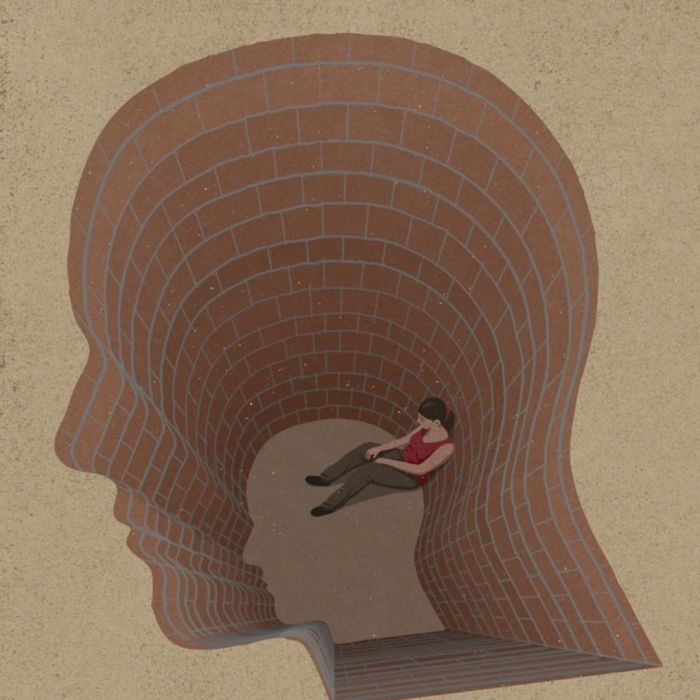
I am reminded of Rumi’s profound words: “Yesterday I was clever, so I wanted to change the world. Today I am wise, so I am changing myself.” This timeless wisdom urges me to reflect on the changes I wish to see in modern society, which I also constantly strive to inculcate in myself.
One of the essential aspects I have come to appreciate is the art of learning to let people be. In today’s society, we often find ourselves either engaging in gossip or, worse, making assumptions about others’ behavior. As I grow older, I realize that everyone has a unique story and reasons for their actions that we may or may not fully understand. These reasons could be rooted in how they perceive the world or how they were raised. Therefore, it is wrong to constantly discuss, label, or assume aspects about others that do not conform to our definition of ideal behavior. Instead, we must learn to let people be and embrace the diversity of perspectives and experiences.
Another valuable realization is that explaining oneself or attempting to make others see our perception can be a futile endeavor. As the saying goes, people only hear what they wish to hear and see what they wish to see. Therefore, investing time, energy, and effort into explaining why we behaved in a particular way may often be fruitless. It is crucial to recognize that not everyone will understand our perspective, and that’s okay. Instead, focusing on self-awareness and understanding our own motivations can lead to personal growth and positive change.
In the era of social media and other digital platforms, there is an undeniable tendency to project an image of our lives and selves that appears remarkably happy and beautiful. While these mediums offer a means of connecting and sharing experiences with others, they also foster a culture of comparison and constant validation. The pressure to showcase only the best aspects of our lives can lead to a sense of insecurity and inadequacy when faced with the curated and seemingly perfect lives of others. This pursuit of an idealized image often stems from a fear of judgment and a desire to be accepted and admired by our peers. However, this facade of perpetual happiness can be emotionally draining and contribute to a disconnect between the reality of our lives and the façade we present. Acknowledging that imperfections are a natural part of being human and promoting authenticity can help alleviate the insecurities fueled by the pursuit of an unattainable, picture-perfect image in the virtual realm.
Additionally, picking one’s battles is a skill we must learn to navigate life effectively. Often, we get entangled in pointless discussions or arguments with others, stressing ourselves over things we cannot control. Learning to discern when and where our efforts should be directed is vital in our society. By choosing our battles wisely, we can channel our energy into meaningful pursuits and make a more significant impact on the things that truly matter.
Lastly, cultivating empathy and reducing judgment is essential for fostering a compassionate and understanding society. Rather than rushing to judge others based on appearances or limited information, we should strive to put ourselves in their shoes and empathize with their experiences. This shift in mindset can lead to more open-mindedness, acceptance, and meaningful connections with people from diverse backgrounds.
In conclusion, as I contemplate the changes I wish to see in the world, I realize that they begin with the changes I make within myself. Learning to let people be, refraining from unnecessary explanations, picking our battles wisely, and embracing empathy over judgment are all critical aspects that can contribute to a more harmonious and compassionate modern society.
1(Image taken from https://www.boredpanda.com/social-issues-honest-illustrations-society-john-holcroft/?utm_source=in.pinterest&utm_medium=referral&utm_campaign=organic)
 whatithoughtoftoday.in
Leave a comment